Carbon Markets and the Transformation of Forest Governance in Indonesia
Vania Bunga
9 Juli 2026
Climate change is one of the most pressing global issues of the twenty-first century, based on global warming, extreme weather phenomena and polluting ecosystems, among other things, which represent substantial threats to human societies and natural habitats (Reuters, 2024). Government, international organization, and private sector have responded with variety of strategies to reduce greenhouse gas emission and promote sustainable development. Of these solutions, carbon markets have increasingly gained popularity as a market-based mechanism that puts an economic value on emissions reductions. As countries who’s looking for ways to tackle climate change while still growing economically, carbon markets have become one of the most prominent policy instruments in global climate governance (COP29 Agreement, 2024). The purpose of carbon markets is to put a financial value on reductions of greenhouse gases in order to stimulate investments in activities that are capable of helping to mitigate climate change. Specifically, compliance and voluntary carbon markets have grown significantly in recent years, with governments, corporations and international organisations looking for cost-effective ways to achieve their net-zero commitments (ICVCM, 2024; Reuters, 2024).
As carbon markets keep expanding, forests ecosystems have become central in the climate fight. They are no longer just places where we get any forest products, biodiversity, or any land resources. Today, more than at any other time, people see the real value in forest ability to store carbon and slow down global warming (UNEP, 2025). The new financial worth associated with keeping forest pristine is part of carbon credits and has made conservation more profitable by carbon credits and any of climate investments. Naturally, this shift of green policy nowadays has attracted the attention of government, investor, and environmental stakeholder around the world. Indonesia playing as a key player in carbon initiatives and climate finance because Indonesia having tracts of tropical forest (Forest Insight Indonesia, 2025). At first sight, it looks like a positive outcome with an additional method to safeguard the environment but in the same time potentially for sustainable economic growth, and of course it attracted global investor. But if we look little closer, the situation seems more complicated and there is so many question. As a forest become valuable assets in the carbon market then who has authority to decide what happened to this forest? Where in the world do the profit from carbon projects actually go and what about the local people who have spent generation living in, working on, and protecting these forests, do they have authority if the government have new regulation about green politic?
The new policies of Indonesia for example on Presidential Regulation (Perpres) No. 110 of 2025 on Carbon Economic Value Instruments, which strengthens the national framework for carbon governance and trading, and Ministry of Forestry Regulation No. 6 of 2026, which establishes procedures for forestry carbon trading and expands participation to communities, private actors, and forest managers (Ministry of Forestry of the Republic of Indonesia, 2026). It is really showing us how ambitious the country is about being a major player in global carbon trading. Government representatives are pushing for more forestry carbon projects and tightening control over the way these projects are administrated (Ministry of Forestry, 2026). Indeed, these changes have two side perspective. Could make things run smoother and increasing financial benefits in good way or in the other side it also triggers about who really hold the power of the resources. Forest isn’t just a wild space anymore but now reconsidered as financial assets for trading and governance.
To understand why forests have become increasingly important in climate governance, we first need to understand how carbon markets operate. Carbon markets operate on the assumption that greenhouse gas emissions can be measured and assigned an economic value (World Bank, 2025). Whenever an initiative reduces, removes, or avoids carbon emissions, it can generate carbon credits. One credit typically equals one metric ton of carbon dioxide equivalent (CO₂e) (World Bank, 2025). Governments or companies seeking to achieve emissions reduction targets or offset part of their carbon footprint can purchase these credits. Carbon markets therefore provide an economic incentive for actions that contribute to climate change mitigation, including renewable energy generation, ecosystem restoration, and forest conservation (UNEP, 2025; Reuters, 2025).
The easy way to understand about the idea is the governments and companies provide funds to undertake actions that mitigate climate change for example, developing wind farms, restoring and rehabilitation some damage ecosystems or protecting forest (UNEP, 2025). I’ll keep saying about nowadays government seeing forest as a business opportunity cause putting market rules at the center of climate actions really say a lot about how we see the environment which is not just a public duty anymore but also a business opportunity. Now, forest really popular in carbon markets because the ability to absorb and lock away carbon naturally. Preventing deforestation and keep the forest healthy is the main of mission because all those trees and deep soils is preventing a large amount of carbon from entering the atmosphere (UNEP, 2025). Forest become a top source of carbon credits and funding for climate projects. As more companies chase carbon credits forest become a business asset and this could lead to increased financial resources for conservation and new ways to use forest sustainability, but it also changes who participates in decision making in how forest are managed (Forest Insight Indonesia, 2025). As result, new players, new investments, and any governance arrangements totally shape forest management now, modifying those in power, and who make decisions (Perpres No. 110/2025; Ministry of Forestry Regulation No. 6/2026; ABNR, 2026).
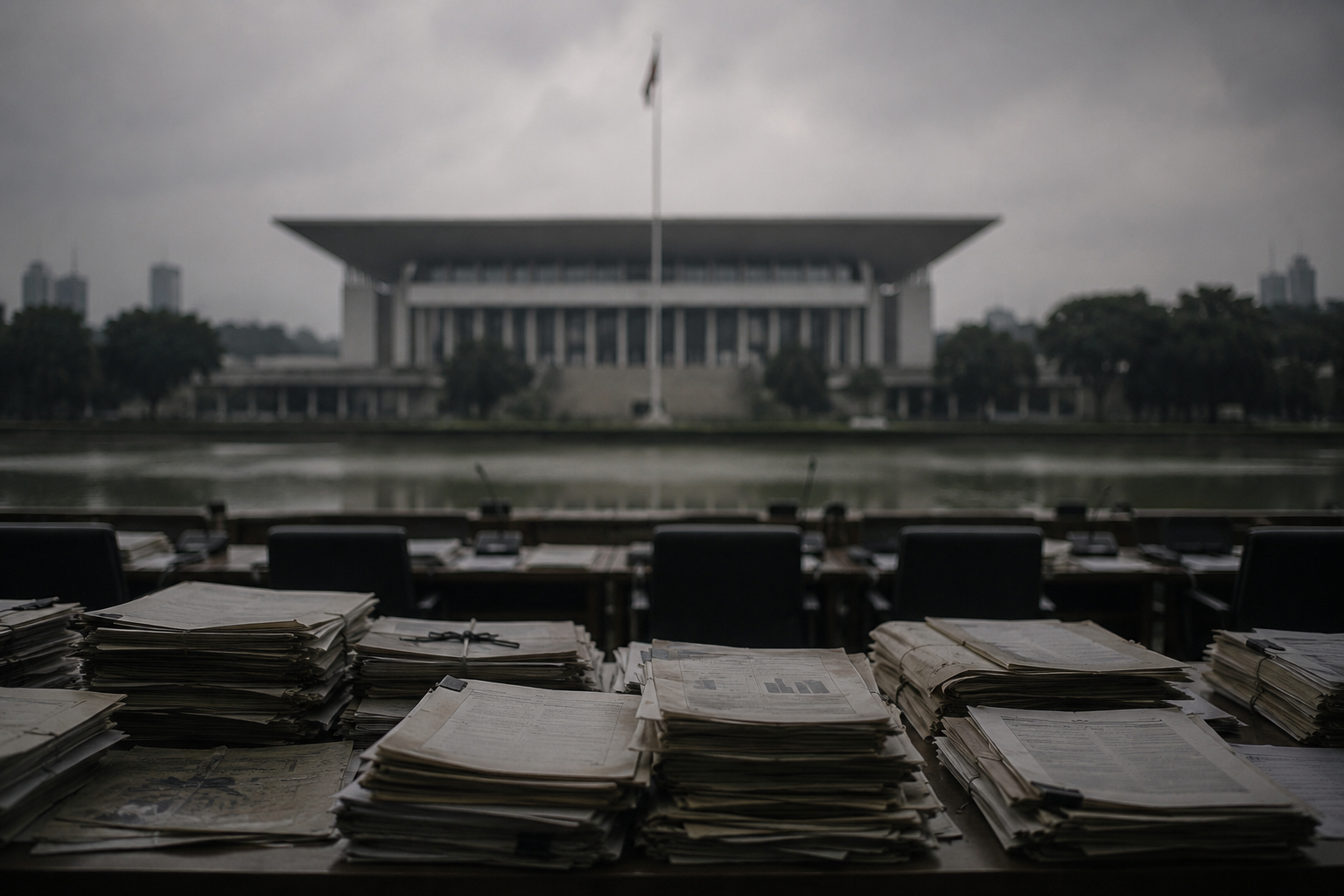
As forest carbon gains more attention cause transforming forest into strategic assets in the fight against climate change. Now, through carbon markets, forest have to be measured, monitored, and managed by strict technical rules and standards (UNEP, 2025). Carbon credits only count if the authority can prove and calculate how much emissions get cut or avoided, so being able to measure and check everything lies at the heart of the whole system (ICVCM, 2025). All this requires long term commitments, deep expertise, and steady control from big institution. All of this transition brings up some though and important question about authority and control. Forest physically sits within local landscape but the real choices or decision on who controls the forest, land use, access rights, monitoring systems, and the distribution of financial benefits. Who’s really in charge become more complicated than before. In many cases, multiple actors claim a stake over the identical forest area. Government see forest as essential to achieve their climate targets as well as securing international investment. Non-governmental business and stakeholder spot a chance for new funds and new markets through carbon finance. At the same time, local and indigenous communities see these landscape as home, have a strong tie to their ancestor, a source of their livelihood, a part of their culture and daily life (Reuters, 2026; Forest Insights Indonesia, 2025). While the value of forest carbon keeps going up, battles over forest governance, exploitation and advantage are becoming increasingly complicated and sometimes complex (ABNR, 2026).
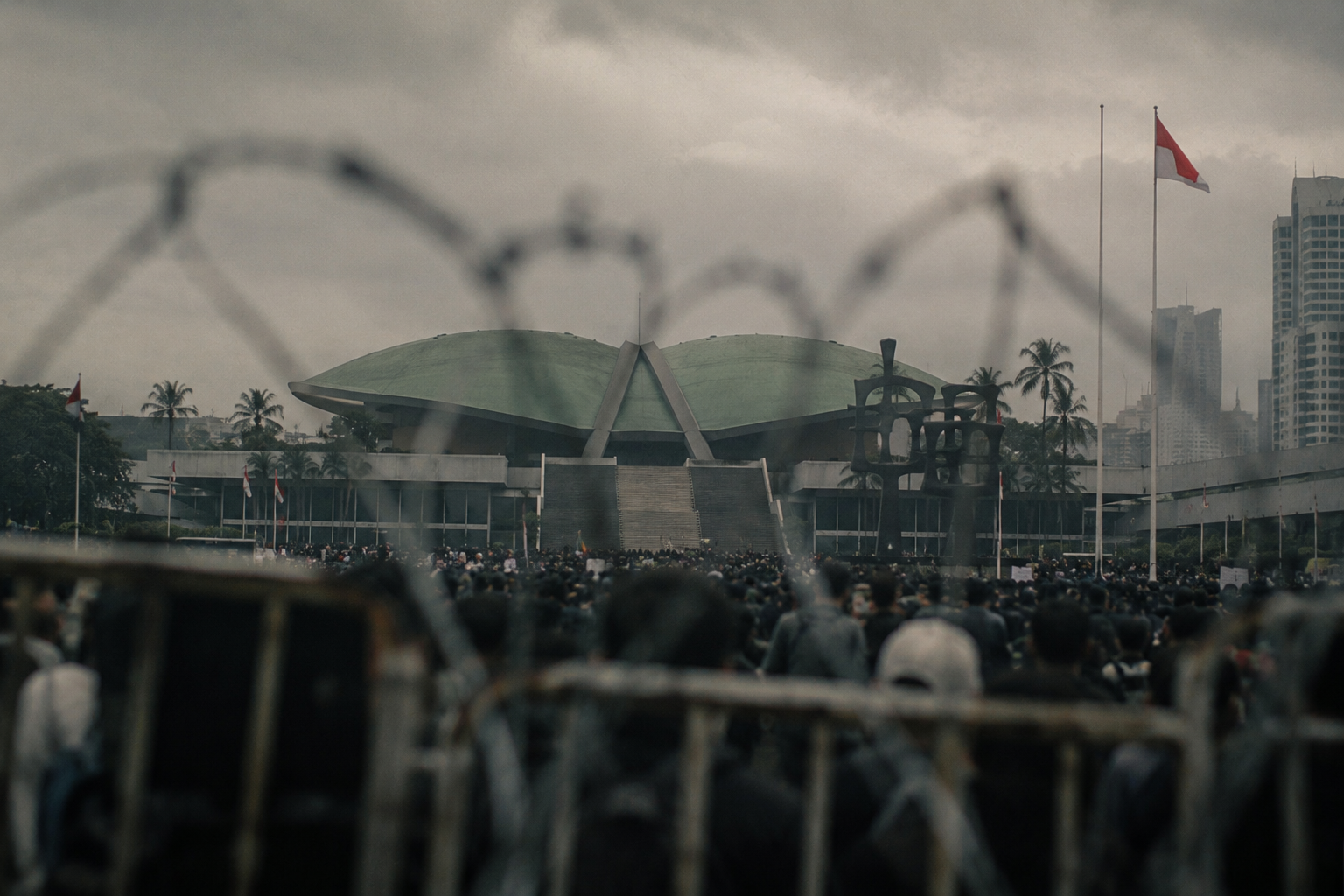
Carbon markets often overlap with long-standing issues of land tenure, resource management, and political authority rather than replacing existing governance systems (UNDP, 2025; Reuters, 2026). Carbon projects may introduce new layers of governance, but they do not necessarily resolve existing conflicts, particularly where land ownership and forest rights remain disputed (Pulitzer Center, 2025). These dynamics are particularly evident in countries with large forest resources and complex land governance systems, where carbon market initiatives intersect with existing political, social, and economic interests (Forest Insights Indonesia, 2025). For example, Indonesia, the country has massive tropical forests, major commitments on climate, and a carbon market that’s expanding fast. Somehow, it’s felt like an experimental space for tracking how carbon markets develop not just how forests get managed but also who holds power and whose concerns are prioritized (Perpres No. 110/2025; Ministry of Forestry Regulation No. 6/2026; Reuters, 2026).
Indonesia stands in a pretty unique spot in the global carbon market. The country is home to some of the planet’s biggest tropical forests and peatlands, which lock away huge amounts of carbon (Reuters, 2026). Protecting these ecosystems isn’t just about achieving Indonesia’s climate targets, it’s about helping the world cut emissions too (World Bank, 2025). Indonesia aware with all the situation happened and recently, it’s been leaning hard into carbon market program. The idea aims to utilize green finance for both protecting these forests and pushing sustainable development (Forest Insights Indonesia, 2025). This is evident within the new regulations and the effort to expand forest-sector carbon trading, all signs that Indonesia wants a real hand in the global carbon market (Ministry of Forestry Regulation No. 6/2026; ABNR, 2026). Again, this goes beyond being just a new way to handle environmental policy but it represents a complete change in how government think about forest. Simply, carbon markets offer a chance to fund conservation and give people reason to keep ecosystem healthy instead of chopping them down. Consider REDD+ as an example. Instead of making a profit from cutting down trees or clearing land, these programs reward forest conservation and boosting carbon stocks (Sarun & Saroeung, 2026). Now, the economic value of forests comes from the carbon they store and the amount of emissions they prevent from entering the atmosphere, beyond timber or agricultural potential (Seymour, 2026). That’s a major transformation. Areas formerly designated for logging or agriculture are currently being integrated into sustainability aims and the global finance system (Reuters, 2024; World Economic Forum, 2026). Moreover, in January 2025, Indonesia launched the Indonesia Carbon Exchange (IDXCarbon), jumping further into international carbon trading. Nearly 1.8 million tons of CO₂-equivalent emission reductions traded hands at launch, which shows the government is serious about grabbing climate finance through these new channels (S&P Global, 2025; ANTARA News, 2025). Now, actors are considering Indonesia’s forest for all kinds of carbon trading, including large scale conservation campaigns and peatland preservation extending to forest overseen by communities (RRI, 2025).
Now we going to discuss about how carbon projects actually turn in complex situation in Indonesia. Forests aren’t just a trees and they are places where government agencies, private companies, local communities, and indigenous groups all claim rights. It’s not a simple matter of finding out who’s in charge. Sometimes it just overlapping and in the other hand they all competing interest (Butarbutar et al., 2025). Along with carbon markets. Instead of streamlining things, these initiatives bring in new player, more rules, and fresh layers of bureaucracy into areas that already have long history of political fights over resources (UNDP Indonesia, 2025). But doesn’t mean carbon markets cannot succeed or should just be written off. The main point is simply that we can’t separate climate policies from the social and political realities where they are implemented (World Bank, 2024). From what I’ve seen, the heart of forest carbon governance is about more than emissions or credits. It’s power, justice, and who get to be heard. Even the boldest climate action run into trouble when it ignores the people actually living in and managing these forests. So, if we want a forest carbon project to succeed, it’s not just about the numbers, the credits, the emissions targets but the real test is how these project handle land rights, involve local people, keep things transparent, and share benefits fairly (CIFOR-ICRAF, 2024). As carbon becomes a more valuable assets and viewed from this perspective, climate governance isn’t just about the environment. It’s about become tied to broader debates about power, ownership, and decision-making authority.
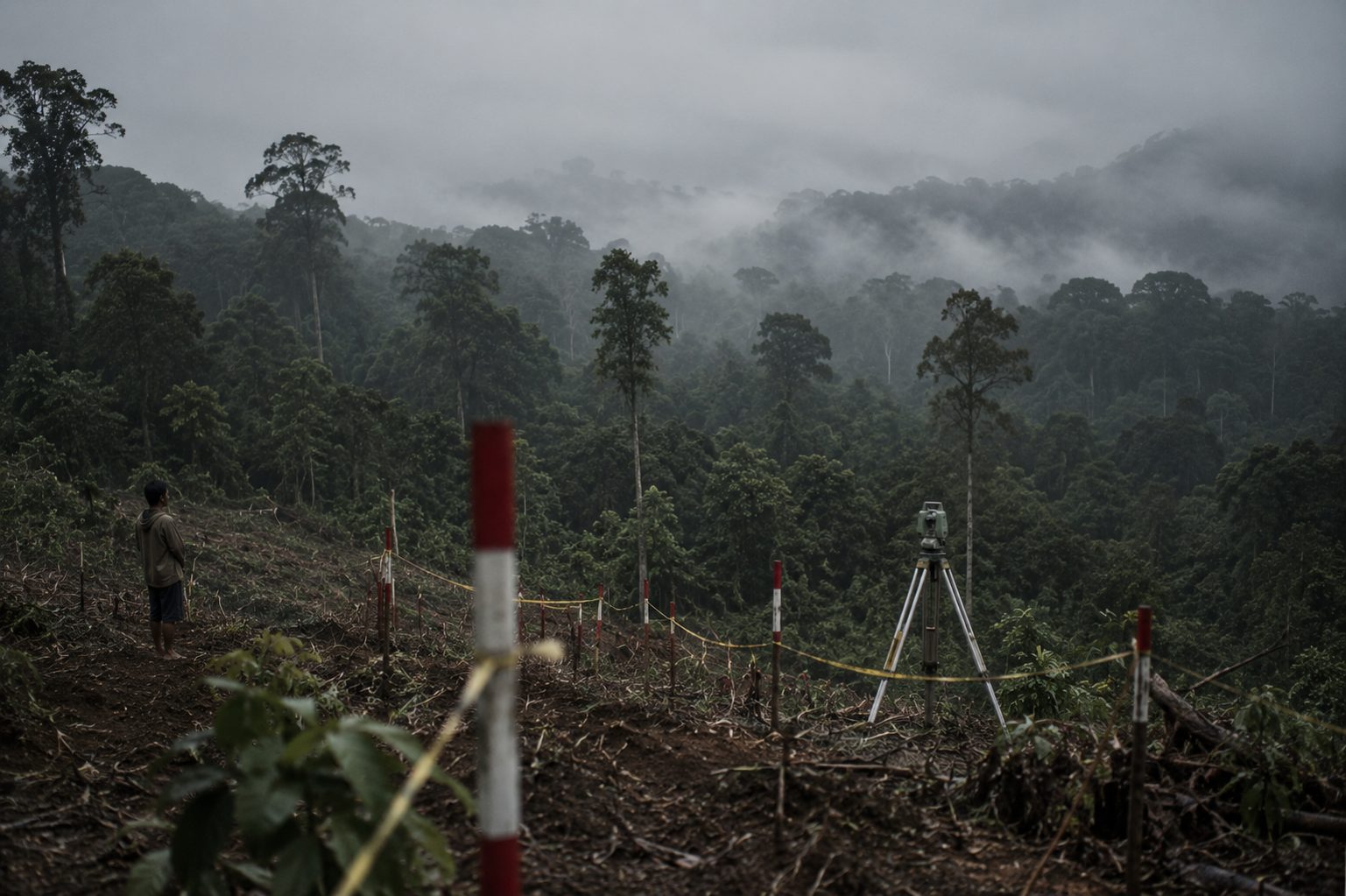
East Kalimantan’s experience really shows what happens when ambitious plans for forest governance collide with real life. The province stands out as one of Indonesia’s top forest-carbon regions and became involved early with the REDD+ program, with the support of the World Bank’s Forest Carbon Partnership Facility (FCPF) (World Bank, 2024; FCPF, 2024). The Aim sounds straightforward with in cut emissions from deforestation and, at the same time, bring money through carbon financing. To make that work, the program set up benefit sharing system so government agencies, local communities, indigenous groups, and other stakeholder would all get a fair benefit (World Bank, 2024). In theory, this entire arrangement looks promising. It should balance protecting forest with putting cash directly in local hands. Some researcher and policymakers consider REDD+ as a real chance to help communities while tackling climate change. What sounds balanced in policy documents quickly turn complicated once you step into the actual forest communities. Several indigenous groups aren’t just quietly skeptical but they frustrated concerning how much input they truly possess (AMAN, 2025). For example, members of the Dayak Bahau community in Long Isun, East Kalimantan, argued about no one asked properly about the REDD+ plans, and they still battling to achieve legal recognition of their traditional land (Forest Peoples Programme, 2024). regarding who could legitimately participate in decision-making processes and who would be entitled to receive benefits generated through carbon finance. The case illustrates how climate initiatives that aim to protect forests can become complicated when they intersect with existing disputes over land tenure, Indigenous rights, and local governance arrangements. These debates point to a broader challenge facing carbon markets in Indonesia, ensuring that local communities are not merely subjects of conservation policies but active participants in determining how forests are managed and how the benefits generated through carbon finance are distributed (CIFOR-ICRAF, 2024; UNDP Indonesia, 2025). In this sense, forest carbon governance is not only an environmental issue but also a question of representation, legitimacy, and control over increasingly valuable natural resources (UNDP Indonesia, 2025).
East Kalimantan’s experience illustrates how this governance challenges emerge in practice. The province is among Indonesia’s leading forest-carbon jurisdictions and has become a pioneer in REDD+ implementation through the World Bank’s Forest Carbon Partnership Facility (FCPF) program (World Bank, 2024; FCPF, 2024). Between 2024 till 2026, East Kalimantan proved that jurisdictional carbon markets can actually put real money behind forest conservation, though the process generated a lot of complications around how to manage climate finance. Through the East Kalimantan Jurisdictional Emission Reductions Program (EK-JERP) which functioned under the support of the World Bank’s Forest Carbon Partnership Facility. Indonesia delivered 22 million verified emissions reductions and secured the full US$110 million payment laid out in their Emission Reductions Payment Agreement. The program covered about 12.7 million hectares, focusing on rewarding real, measured progress in cutting deforestation and forest degradation through REDD+. The payments didn’t just vanish without any explanation. Instead, the Benefit Sharing Plan sent funds out to a broad range of players, provincial and district governments, forest management units, Indigenous groups, village governments, and others. Out of the total, Indonesia’s Benefit Sharing Mechanism handed about US$13.58 million (IDR 194.68 billion) to government bodies and local administrations. Meanwhile, roughly ten percent or around US$2.09 million (IDR 31.35 billion) went straight to communities and villages that actually managed to protect their forests. The program established mechanisms for benefit sharing and the distribution of payments among government institutions, local communities, Indigenous groups, and other stakeholders (Government of East Kalimantan, 2024; World Bank, 2024). However, the implementation process has also highlighted the challenges of translating climate objectives into equitable governance arrangements (UNDP Indonesia, 2025).
These two cases between East Kalimantan’s and Dayak Bahau community in Long Isun, East Kalimantan have two different views. When we look at the Dayak Bahau indigenous community in Long Isun. Their experience exposes the complex governance issues that come up when carbon finance runs into unresolved land rights and people from the community have raised concerns about not having been invited to provide their opinions or permission. They say their customary forests ended up in emissions accounting, but they weren’t involved in the decisions or the sharing of benefits (Forest Peoples Programme, 2024; AMAN, 2025). But in the other hand, East Kalimantan doesn’t prove that carbon markets always work or always fail. It shows that everything really depends on fair governance, real participation, and whether or not Indigenous rights matter in practice, not just the environmental results or the money involved.
In conclusion, carbon markets have transformed the value attributed to forests within climate governance. In Indonesia, forests are no longer viewed solely as sources of timber, biodiversity, or land resources, but also as valuable carbon assets capable of generating climate finance and supporting conservation efforts. This creates new opportunities for forest protection and emissions reduction, while simultaneously introducing a new politics of forest control in which governance, participation, and benefit sharing are as important as environmental protection itself. Indonesia’s expanding carbon market initiatives demonstrate that the effectiveness of carbon markets depends not only on environmental outcomes but also on strong governance, equitable benefit-sharing mechanisms, and meaningful community participation. Ultimately, Indonesia’s forest carbon future will depend not only on its contribution to global climate goals but also on how effectively the country manages the political, social, and governance complexities of this transition.
Referensi
- AMAN. (2025). Indigenous peoples and carbon market governance in Indonesia. Aliansi Masyarakat Adat Nusantara. https://aman.or.id
- ANTARA News. (2025, January 20). Indonesia prepares 2.48 million tons CO₂e for global carbon trading. https://en.antaranews.com/news/341522/indonesia-prepares-248-million-tons-co2e-for-global-carbon-trading
- Butarbutar, T., et al. (2025). Forest carbon governance and benefit-sharing mechanisms in Indonesia. National Research and Innovation Agency (BRIN).
- Center for International Forestry Research–World Agroforestry (CIFOR-ICRAF). (2024). Community rights and forest carbon governance in Indonesia. https://www.cifor-icraf.org
- Forest Carbon Partnership Facility (FCPF). (2024). Indonesia East Kalimantan emission reductions program annual report. World Bank Group. https://www.forestcarbonpartnership.org
- Forest Carbon Partnership Facility (FCPF). (2026). Indonesia completes delivery of contracted emission reductions under the FCPF. World Bank Group. https://www.forestcarbonpartnership.org
- Forest Peoples Programme. (2024, October 31). Indigenous rights violated in East Kalimantan's REDD+ jurisdictional pilot project: World Bank and Indonesian government face accountability calls. https://www.forestpeoples.org/en/indigenous-rights-violated-east-kalimantan-redd-jurisdictional-pilot-project-world-bank-and-indonesian-government-face-accountability-calls
- Government of East Kalimantan. (2024). Benefit sharing plan and implementation report for the East Kalimantan FCPF program. Provincial Government of East Kalimantan.
- Intergovernmental Panel on Climate Change (IPCC). (2024). Climate change and mitigation pathways. https://www.ipcc.ch
- Integrity Council for the Voluntary Carbon Market (ICVCM). (2024). Core Carbon Principles assessment framework. https://icvcm.org
- Integrity Council for the Voluntary Carbon Market (ICVCM). (2025). Guidance on high-integrity carbon credits. https://icvcm.org
- Liswanti, N., Tamara, A., Sarmiento Barletti, J. P., Larson, A. M., & Dharmawan, I. W. S. (2024). REDD+ safeguards in Indonesia: Lessons from East Kalimantan. CIFOR-ICRAF. https://doi.org/10.17528/cifor-icraf/009231
- Ministry of Environment and Forestry. (2025). Implementation guidelines for carbon economic value and forest carbon projects. Government of Indonesia. https://www.menlhk.go.id
- Ministry of Forestry of Indonesia. (2024). Benefit sharing mechanism and benefit sharing plan: Implementation, challenges, and opportunities. Presented at the REDD+ Results-Based Payments Workshop, Indonesia.
- Ministry of Forestry of the Republic of Indonesia. (2026). Regulation of the Minister of Forestry of the Republic of Indonesia No. 6 of 2026 concerning procedures for carbon trading through greenhouse gas emission offsets in the forestry sector. https://peraturan.go.id/id/permenhut-no-6-tahun-2026
- Government of Indonesia. (2025). Presidential Regulation of the Republic of Indonesia No. 110 of 2025 concerning carbon economic value instruments and greenhouse gas emission control. https://peraturan.bpk.go.id/Details/334733
- Pulitzer Center. (2025). Reporting on forest carbon projects, Indigenous rights and climate governance in Indonesia. https://pulitzercenter.org
- Reuters. (2024). Global carbon offset standard setter approves new deforestation methodologies. https://www.reuters.com
- Reuters. (2025). Indonesia carbon market and forest-based climate finance developments. https://www.reuters.com
- Reuters. (2026). Indonesia forest carbon governance and climate finance developments. https://www.reuters.com
- RRI. (2025). IDXCarbon officially launches international carbon trade. https://rri.co.id/en/business/1267489/idxcarbon-officially-launches-international-carbon-trade
- Sarun, H., & Saroeung, M. (2026). Reducing emissions from deforestation and forest degradation (REDD+): A narrative review. Journal of Agriculture and Environment, 3(2), 271–275. https://doi.org/10.5281/zenodo.18732052
- S&P Global Commodity Insights. (2025, January 20). Indonesia launches international carbon trading on IDX with five power plants. https://www.spglobal.com/commodityinsights
- Seymour, F. (2026, March 21). Why financing forests through carbon markets makes sense. World Economic Forum. https://www.weforum.org/stories/2026/03/financing-forests-carbon-markets
- United Nations Development Programme Indonesia. (2025). Carbon markets, local communities, and inclusive climate governance in Indonesia. https://www.undp.org/indonesia
- United Nations Environment Programme (UNEP). (2025). State of carbon markets and nature-based climate solutions. https://www.unep.org
- World Bank. (2024). Indonesia East Kalimantan emission reductions program implementation status report. World Bank Group. https://www.worldbank.org
- World Bank. (2025). State and trends of carbon pricing 2025. World Bank Group. https://www.worldbank.org
- World Economic Forum. (2024, June 4). 3 reasons for companies to embrace forest carbon markets in 2024. https://www.weforum.org/stories/2024/06/3-reasons-for-companies-to-embrace-forest-carbon-markets-in-2024